Siphon Gold Dredge Usage: Step-by-Step to Extract Gold
Siphon Gold Dredge Usage: Step-by-Step to Extract Gold
11.19.2025
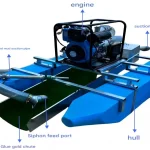
A siphon gold dredge is a professional equipment that extracts alluvial gold by utilizing the siphon principle to generate negative pressure suction, combined with mechanical separation structures. Its gold mining process is scientifically designed and efficient, with the detailed optimized steps as follows:
I. Equipment Preparation and Site Selection
Comprehensive Equipment Inspection: Verify that the siphon system (including sand suction pipes, vacuum pumps, and siphon pipelines), mineral processing system (such as equipped gold recovery boxes, rubber gold recovery mats, and gold-catching grass), and power system (engine or motor) are functioning properly. Ensure all components are securely connected without leaks.
Precise Site Selection: Prioritize rivers, streams, or ancient river channels with alluvial gold distribution. The water depth should match the equipment’s operational requirements (avoid being too deep or too shallow), and the water flow should be relatively stable to facilitate equipment mooring and operation, away from reefs and debris.
Special Scenario Preparation: For deep-water operations, oxygen diving equipment can be installed on the dredge to facilitate underwater cleaning of sediment or adjustment of the suction nozzle position.
II. Equipment Deployment and Startup
Stable Equipment Deployment: Small siphon gold dredges can be directly placed into the operating water. For larger equipment, auxiliary tools are required to secure it, ensuring the floating body remains stable on the water surface without tilting or drifting risks.
System Startup and Commissioning: Start the power system to drive the vacuum pump, creating negative pressure inside the sand suction pipe. Test the siphon suction capacity and pipeline water circulation for smooth operation. The suction force can be precisely adjusted via the jet tee to ensure optimal equipment performance.
III. Slurry Conveyance and Mineral Processing
Siphon Suction and Conveyance: Aim the sand suction nozzle at underwater gold-bearing sand layers, ore veins, or sediments. Use negative pressure suction to draw the slurry (a mixture of sand, water, and gold particles) into the pipeline. Move the nozzle slowly during suction to expand coverage, and promptly remove large rocks to prevent pipeline blockages.
Classification and Screening: After being conveyed through the pipeline to the mineral processing system, the slurry first passes through a preliminary screening device (if equipped) to remove large rocks and debris, then enters the gold recovery box.
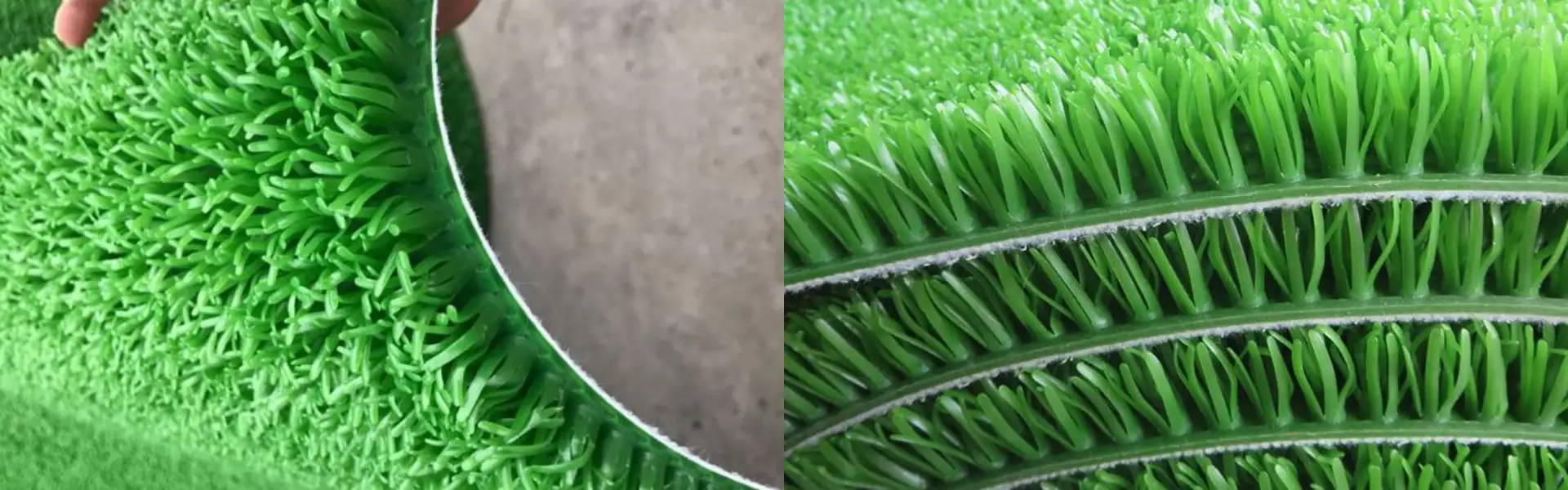
Gravity Separation and Concentration: As the slurry flows over the mineral processing media (rubber gold recovery mats and gold-catching grass) inside the gold recovery box, the combined action of water flow impact and gravity causes gold particles—with much higher density than sand—to gradually settle and adhere to the media surface. Lighter sand and waste rock are discharged from the tail of the gold recovery box with the water flow.
IV. Gold Collection and Equipment Maintenance
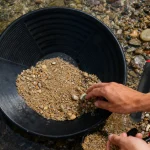
Regular Gold Collection: After 1–2 hours of operation, pause the equipment. Gently brush off the gold concentrate (including gold particles and gold dust) adsorbed on the rubber gold recovery mats and gold-catching grass with a brush. The collected concentrate can be further refined using gold pans, mercury amalgamation, or shaking tables.
Real-Time Equipment Maintenance: Continuously monitor the siphon system’s suction during operation. If suction is insufficient, inspect for clogged sand suction pipes, faulty vacuum pumps, or air leaks in the pipelines, and troubleshoot promptly. Regularly clean debris accumulated in the gold recovery box to maintain smooth water flow and consistent mineral processing efficiency.