Rubber Gold Mats vs. Traditional Sticky Gold Grass: Which Fine Gold Recovery Tool Is Better?
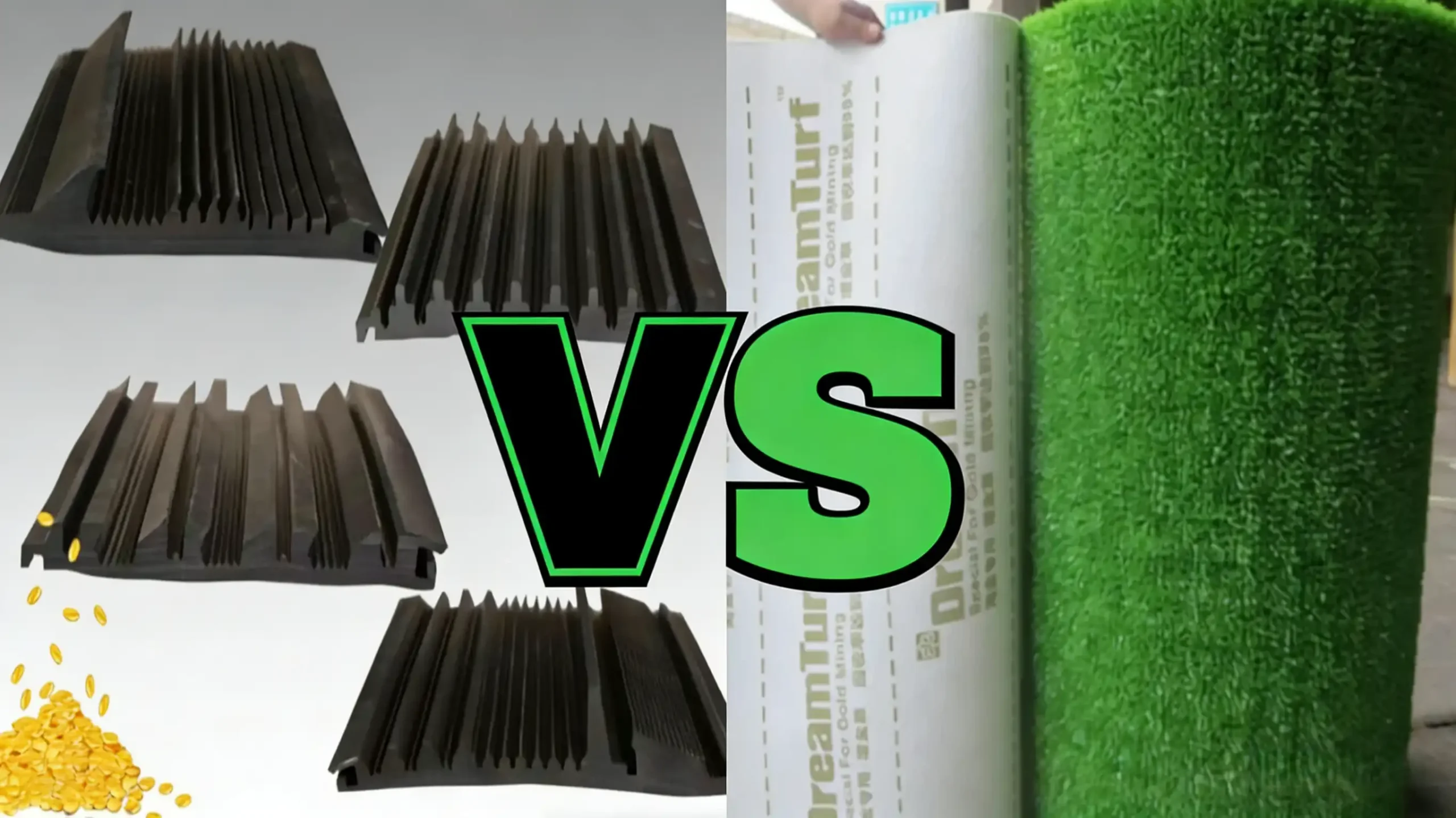
When it comes to fine gold recovery, choosing the right tool can make or break your efficiency. Today, we’re comparing two common options: traditional sticky gold grass and the newer rubber gold mats—let’s break down their pros, cons, and performance.
Traditional Sticky Gold Grass: The Old Reliable (With Limits)
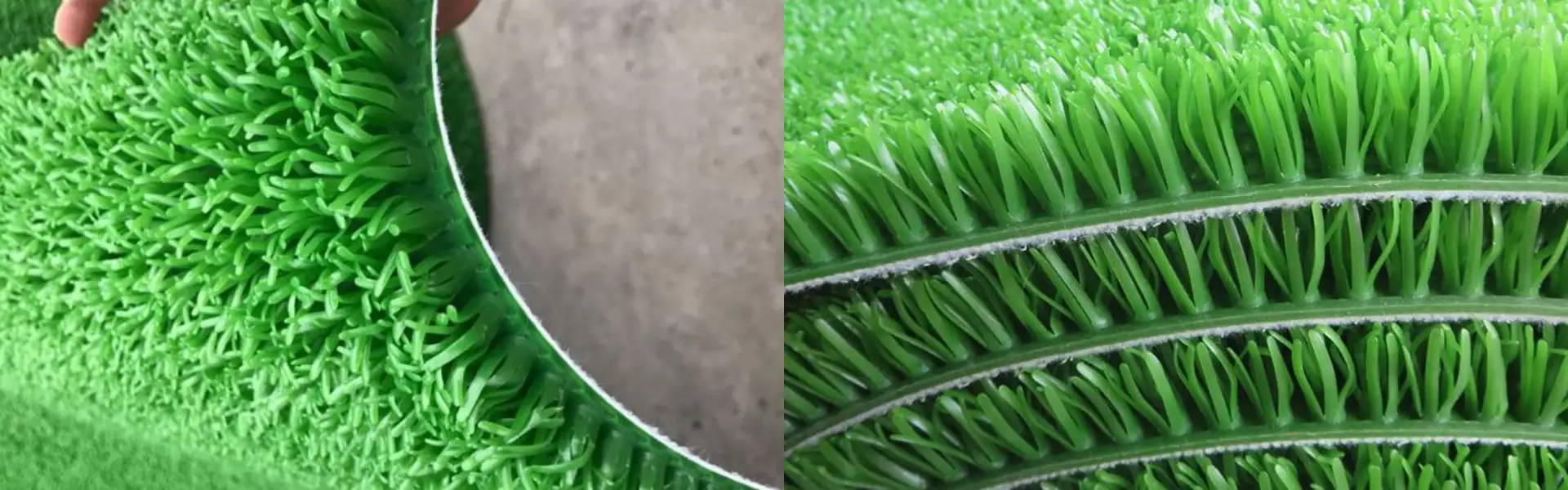
For years, sticky gold grass has been a go-to for gold prospectors. Its biggest draws? Low cost, long-standing industry use, and high recognition among miners.
But it has clear flaws: it hardens easily, and the tailings (waste material) it produces are uncontrollable.
Performance Breakdown:
Rubber Gold Mats: The Modern Upgrade

Performance Breakdown:
Final Verdict: Which Should You Choose?
If you’re on a tight budget and working with coarser gold, traditional sticky gold grass (a tried-and-true option) might work. But if you want to recover finer gold, cut down on maintenance, and invest in a long-lasting tool, rubber gold mats are the better choice—they’re more efficient, durable, and low-hassle for serious prospectors.